
The Crypto Wallet: What is It, What are Its Types, and How to Create It
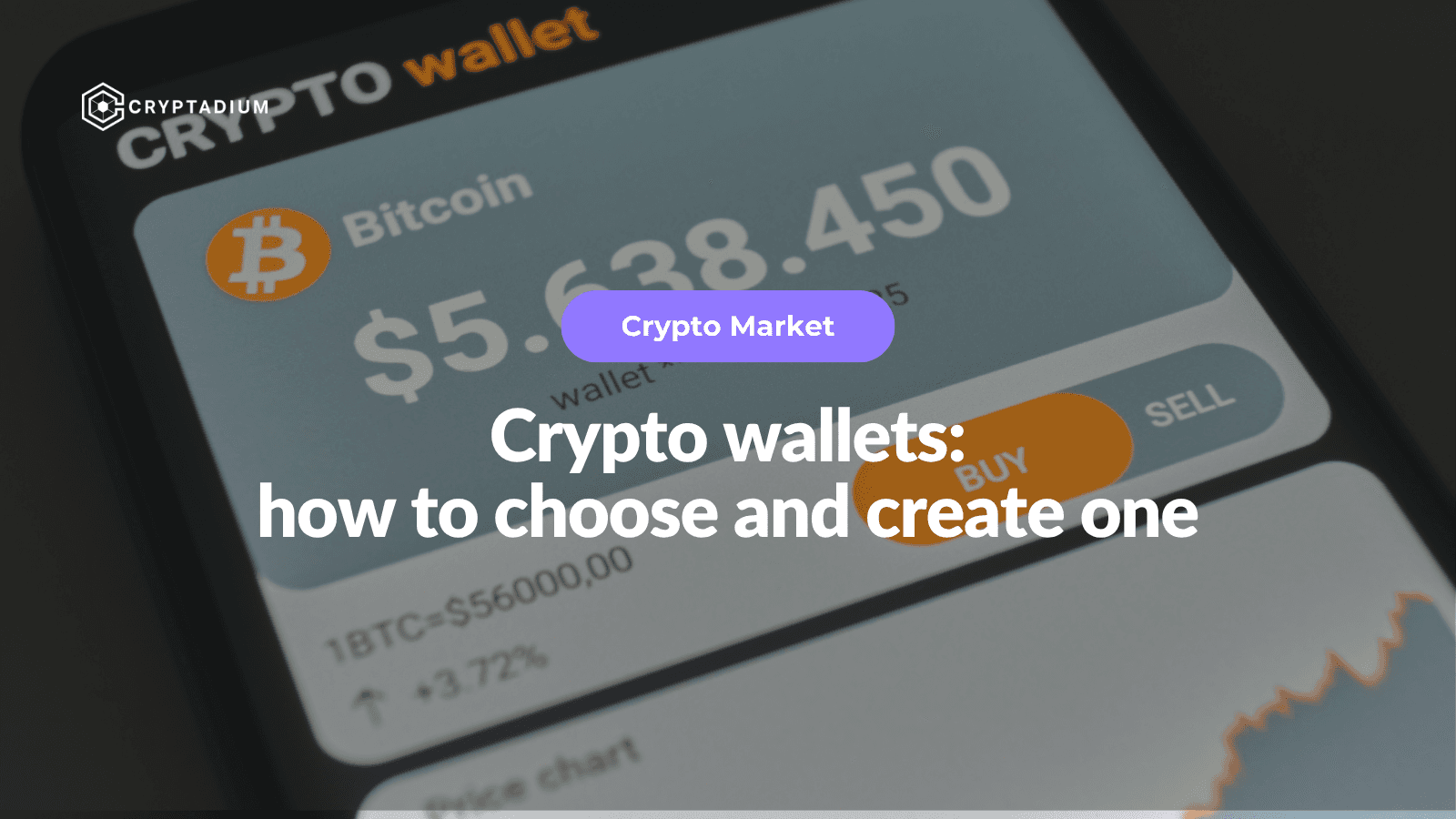
Choose the right crypto wallet with Cryptadium's tips
Digital money management has evolved significantly, making cryptocurrency wallets as essential as traditional leather billfolds. A well-chosen crypto wallet ensures the security of your blockchain-based assets. Whether you're taking your first steps in crypto investing or you're an experienced trader, understanding fundamentals is crucial for money protection. Let's explore the intricacies of selecting and utilizing alternative asset storage solutions.
What is a Crypto Wallet
A currency wallet represents specialized software designed for digital coins management. These tools enable users to store, transfer, and receive currencies, while also facilitating payments for goods and services - similar to conventional banking tools. Essentially, it serves as your personal interface with blockchain networks. Rather than storing actual coins (as cryptocurrency exists only digitally), these services safeguard access keys to your coins.
Core Functions
- Secure credential management
- Asset transfer execution
- Transaction history and balance monitoring
- Blockchain application interaction
- Multi-cryptocurrency management
Categories
Online (Hot)
Maintains constant internet connectivity, ideal for frequent, smaller transactions. Implementation requires software installation on your device, followed by account creation and setup.
Offline (Cold) Storage
Functions without internet connectivity. Requires specialized hardware (such as Ledger or Trezor devices), initial configuration, and secure backup phrase storage. Transactions need physical device connection and manual confirmation.
Desktop Solutions
Computer-based applications generating unique access keys and recovery phrases requiring offline storage. Initial setup involves blockchain synchronization. Advanced features often include customizable transaction fees and multi-currency support.
Mobile Applications
Smartphone-based solutions offering 24/7 accessibility and operation including on exchanges (e.g. Coinbase). Features include QR scanning, intuitive interfaces, integrated decentralized exchanges (DEX), DApp support, NFT compatibility, and DeFi protocol integration. Security measures encompass biometric verification, PIN protection, and data encryption.
Hardware Devices
Specialized physical devices emphasizing security, dominated by industry leaders. Implements secure element technology for credential protection. Requires meticulous documentation of initialization phrases. Supports segregated account structures for enhanced privacy.
Paper Storage
Physical documents containing QR-coded access keys. Represents the simplest cold storage approach, offering complete isolation from online threats. Generation should occur offline using specialized tools.
Browser-Based Solutions
Network-accessible interfaces requiring no local software. Prioritizes convenience while introducing additional security considerations due to remote credential storage. Demands robust authentication protocols and careful domain verification.
Custodial Services
Third-party managed solutions (typically exchanges or financial services). Suitable for active trading but not recommended for long-term storage. User-friendly for beginners, offering standard account recovery procedures.
Security Best Practices
- Deploy robust authentication systems
- Implement multi-factor verification
- Maintain updated backups
- Limit hot wallet holdings
- Verify transaction addresses
- Use verified software only
Open Process
- Select appropriate type
- Install software or acquire hardware
- Generate and secure recovery phrase
- Establish robust authentication
- Configure security features
- Test with minimal amounts
How to Get a Crypto Wallet
Choose based on your needs:
- Active trading: hot types
- Long-term storage: cold types
- Daily transactions: mobile solutions
- Large holdings: hardware devices
Wallet Integration with Cryptadium
The choice of cryptocurrency wallet for a digital payment system depends on which digital money you plan to accept. When starting with the Cryptadium platform, add addresses for each cryptocurrency type that customers will use for payments. If multiple wallets are added for a single cryptocurrency (such as Bitcoin), designate one as primary for automatic withdrawals (when this feature is enabled).
When you need to withdraw digital coins from your Account Balance, you can transfer funds to your added addresses at any time and in any amount.
Cryptadium Platform Benefits:
- Automatic cryptocurrency conversion
- Instant transfers between platform users
- Enhanced transaction security
- Round-the-clock technical support
- Comprehensive operation monitoring
Begin your journey with Cryptadium today to access advanced digital asset management tools.
Liliya Andrushevskaya,
Cryptadium expert
Read also
Chargeback in Crypto: Can You Get Your Money Back or Dispute a Blockchain
Let's explore why a true chargeback is impossible in cryptocurrency, what risks remain for businesses, and how to protect yourself from losses.

Crypto Payments in EdTech: How Students Are Buying Courses in 2025
Cryptocurrency in education is predicted to directly influence the transformation of existing business models and the emergence of new ones.
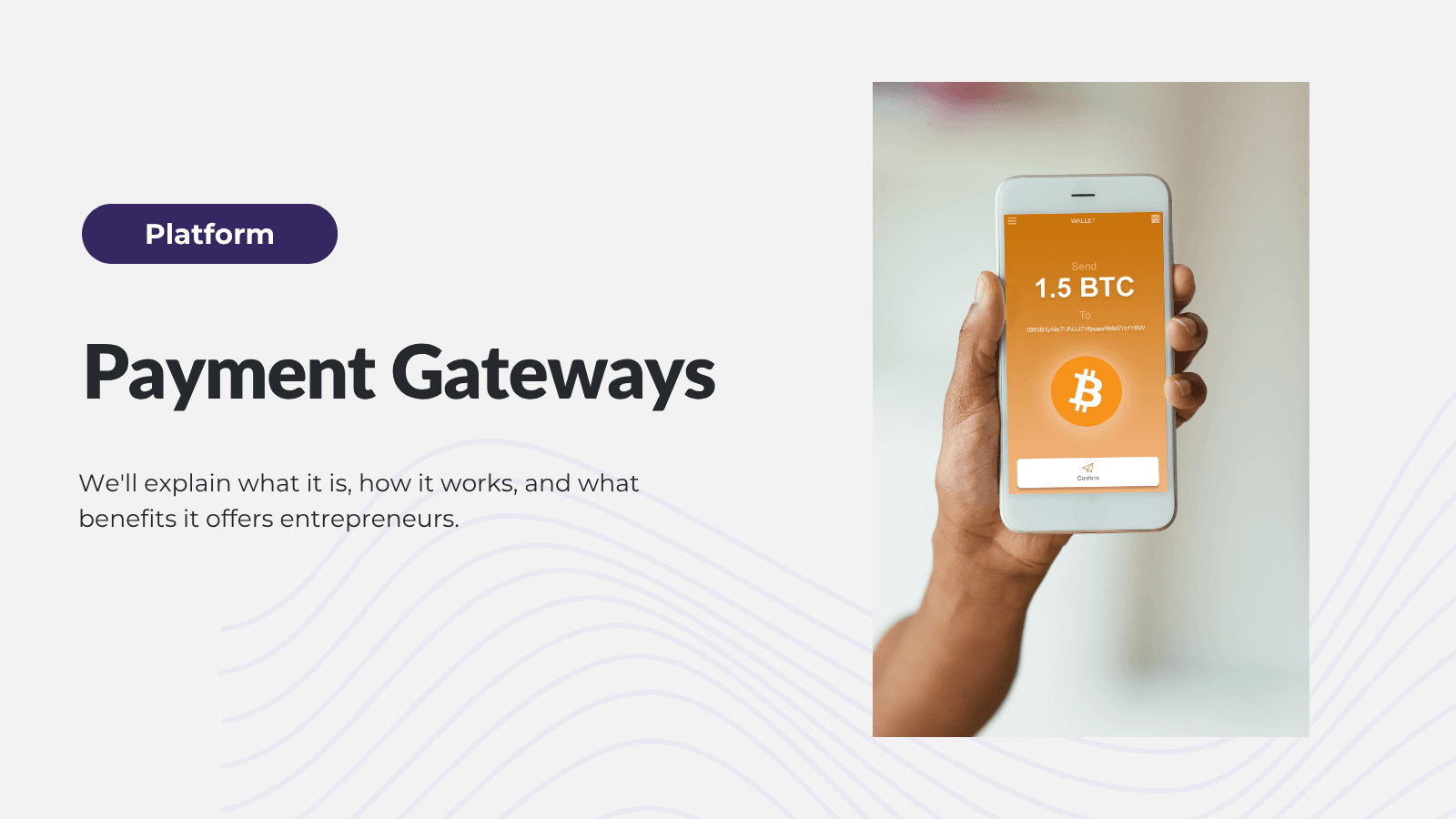
Understanding Crypto Payment Gateways: How They Work and Why Businesses Need The
We explain in simple terms what a crypto payment gateway is, how it works, and the benefits it offers entrepreneurs.