
Crypto Acquiring: Regulation Context and Business Implementation
We analyze the specifics of crypto processing in the world
Digital assets are reshaping global commerce, giving businesses efficient, flexible ways to accept payments and reach new markets. Because crypto regulation differs widely, companies need compliant integration strategies that fit their operating jurisdictions and B2B requirements.
Crypto acquiring is a payment infrastructure that allows businesses to accept cryptocurrency payments with optional conversion into fiat currency.
Common business use cases
- SaaS subscriptions
- Cross-border e-commerce
- Digital services
- Online platforms
Regulation varies by country
Crypto rules are jurisdiction-specific: some countries permit business use and payment in crypto, others restrict or prohibit it, and many apply evolving frameworks. Companies should map operating and customer jurisdictions, then align payment flows, settlement, and reporting with local laws and licensing requirements.
Understanding crypto processing: implementation and key principles
Crypto acquiring lets businesses accept payments in digital assets (e.g., bitcoin) with optional conversion to fiat. Gateways leverage blockchain networks and strong security, typically offering automatic fiat settlement to simplify accounting, tax, and compliance.
Regulatory highlights:
- Direct crypto acceptance is restricted in several markets.
- International processors often convert crypto to fiat before funds reach the merchant.
- Clear compliance, KYC/AML, and documentation reduce legal and financial risks.
How businesses work with crypto payments globally
- Through payment processors: partner with licensed gateways/acquirers that handle conversion, settlement, and compliance.
- Via selected jurisdictions: structure entities where crypto operations are permitted and predictable.
- With a compliance focus: implement KYC/AML, transaction monitoring, audit-ready reporting, and partner due diligence.
Key risk and compliance points
- Jurisdictional restrictions can limit direct acceptance; processors and cross-border structures may be required.
- Non-compliance risks include fines, account blocks, and operational disruption.
- Legal counsel and careful selection of international partners are recommended for sustainable B2B operations.
Evolving global regulation
Rules are changing as governments refine digital asset policy. The trend is toward clearer standards, closer regulator–industry dialogue, and broader availability of compliant payment frameworks for cross-border commerce.
Success with crypto payments depends on understanding both market dynamics and regulatory boundaries.
How Cryptadium enables compliant crypto payments
Cryptadium operates under a regulated license in Salvador, providing a secure, compliance-oriented crypto gateway for international B2B use. The platform supports multiple cryptocurrencies, offers flexible integrations, and aligns settlement and reporting with regulatory expectations.
Key capabilities
- Multiple integration models
- 24/7 technical support
- Transparent, low fees
- Real-time analytics and reporting
- Multi-currency support and compliance tooling
Businesses expanding globally can consider solutions like Cryptadium to accept crypto payments in a legally compliant, processor-led model. This model helps businesses reduce operational friction while maintaining compliance across international markets.
Liliya Andrushevskaya,
Cryptadium expert
Read also

5 Reasons SaaS Companies Are Switching to Crypto Payments in 2026
We explore why the transition to crypto payments has become one of the key decisions for SaaS companies
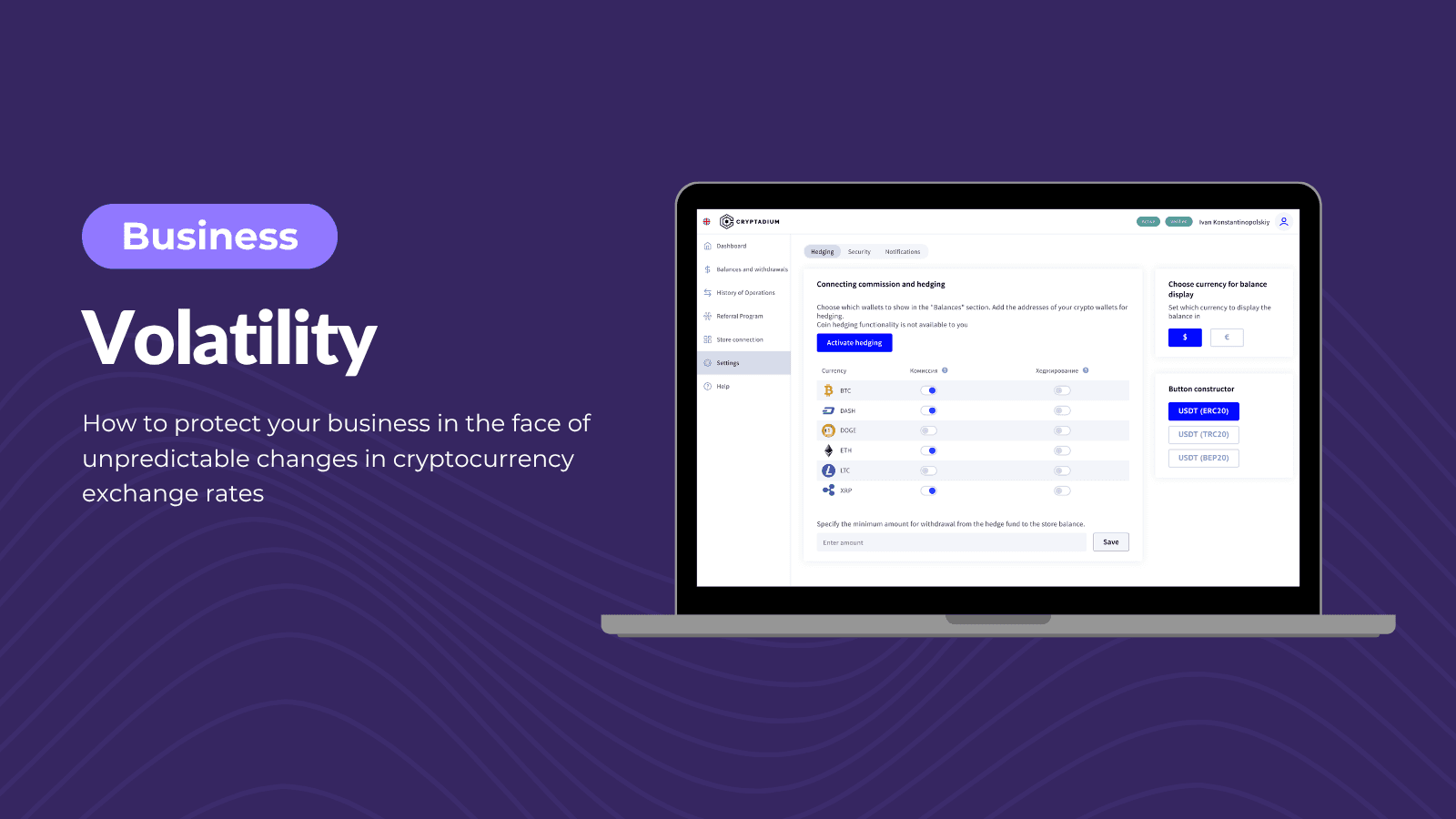
Crypto Processing in Volatile Markets: Business Protection Strategies
High volatility of digital assets leads to a number of serious problems for companies.

The Future of Stablecoins in 2025-2026: What Businesses Need to Know
We figure out which stablecoins to choose for business