
Why cross-border card payments fail — and how online businesses recover lost sales
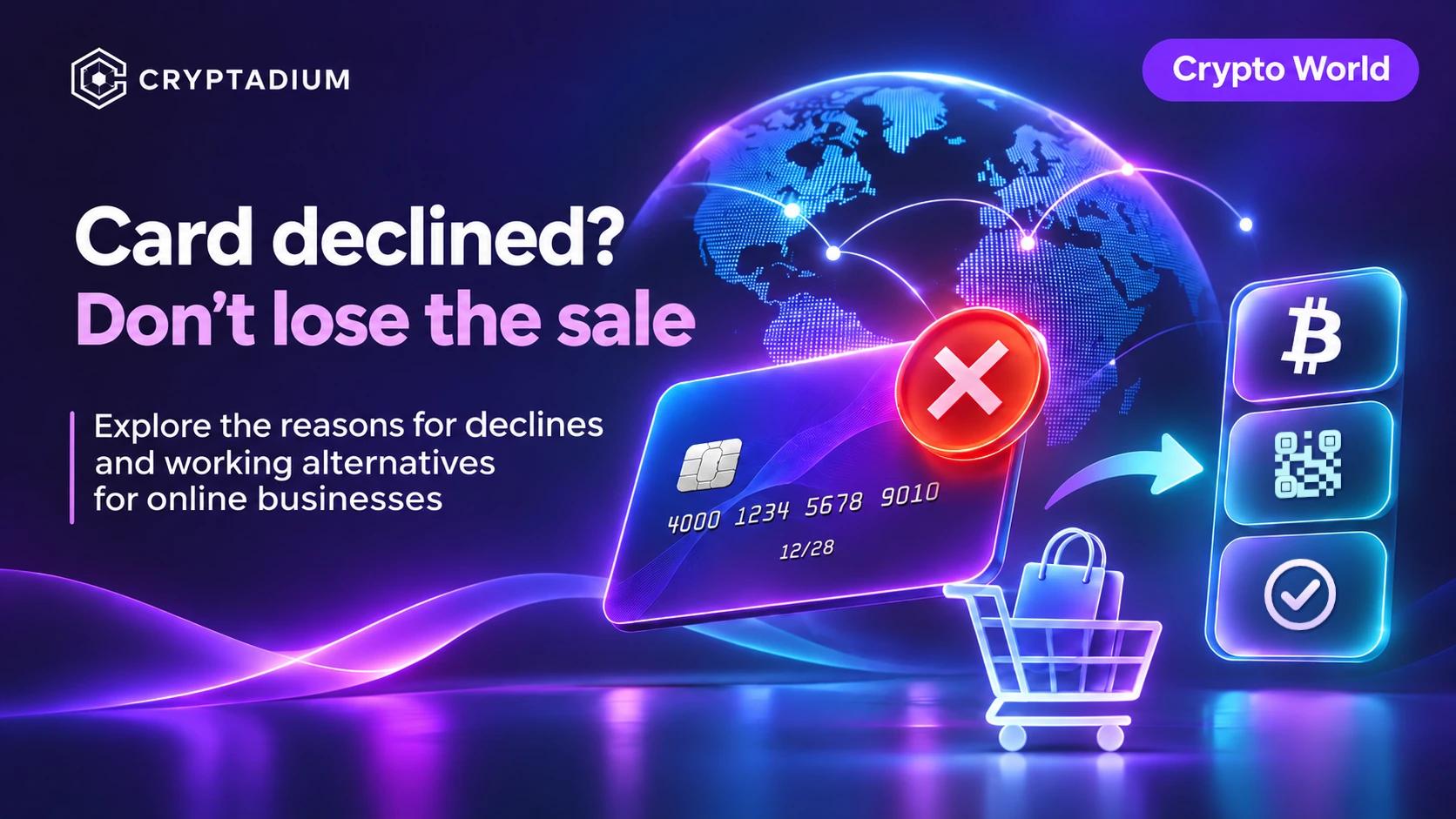
Why international card payments get declined, what issuer and authorization failures mean, and which alternative payment methods can protect online sales.
An international customer can reach the checkout, enter valid card details and still see an online payment declined message. A card declined notice does not always mean the buyer made a mistake. The issuing bank, authentication step, fraud controls or restrictions on international use can stop the transaction before the merchant receives the funds.
For an online business, a failed attempt becomes a revenue problem when the buyer has no clear second way to pay. A card payment failed scenario is different from checkout abandonment: the buyer may be ready to purchase, but the route itself is unavailable.
Why a cross-border card payment can fail
A card authorization involves several parties. The customer submits transaction details to the merchant, the request moves through the processor or acquirer and card network, and the issuing bank decides whether to authorize the transaction.
An issuer can decline a transaction because there are insufficient funds or available credit, card details are incorrect or outdated, the card is expired or frozen, the transaction looks unusual, authentication is missing, or the issuer has a technical problem. Restrictions on international use can add another reason.
This is why issuer declined does not always tell the merchant what went wrong. Some banks return a generic response such as “do not honor”, confirming that authorization was refused without explaining the cause. If a card issuer declined transaction response contains no useful detail, the cardholder may need to contact the bank.
The failure can also occur elsewhere. Fraud filters may block a transaction, a card type or country may be unsupported, a currency may be restricted, or authentication may fail. A payment authorization failed message therefore needs context.
This also answers the common question “why is my card declined online?”. If a card works normally elsewhere but fails for one international purchase, or a debit card keeps getting declined only in this scenario, the cause may lie in issuer rules or the route itself. A debit card declined by a foreign merchant, a bank blocked transaction and a card transaction failed event can describe different failures.
Why payment access becomes a revenue problem
For a merchant, the key question is whether the buyer still has a usable route to complete the order. Consider a buyer in another country who reaches checkout and submits valid card details. The issuer refuses authorization, the retry fails, and the store offers no practical alternative. If the only available method does not work for that buyer, a real sale can be lost.
This is one of the main cross border payment challenges: availability differs between markets, banks and card types. A checkout can work technically while part of the audience cannot use its primary rail.
Businesses should analyze payment acceptance rate by buyer country, card-issuing country, card type, currency, issuer refusals versus technical errors, and whether the customer later completed the purchase another way. This helps separate a local card problem from a broader access issue.
Failed authorization should also be separated from voluntary abandonment. We explain that difference in “Why international customers abandon crypto checkout — and how to improve completion”.
What businesses can offer when the primary card route is unavailable
An alternative method should complement the primary card route, not automatically replace it. The goal is to give the customer another controlled way to pay when the preferred option is not available.
Depending on the market, alternative payment methods can include another card or bank route, local bank transfers, digital wallets and other online options. A mix of international and ecommerce methods may be needed across countries. The best option is not necessarily the easiest for the merchant to add; it is the one affected buyers can access and understand.
This is why alternative options should be assessed by geography. Local, global and digital methods differ by market; broad availability does not mean every customer or jurisdiction supports them equally.
Digital assets can provide an additional route where legally and operationally appropriate. They are not a universal fix for every card decline: geography, jurisdiction, provider eligibility and compliance still matter.
Cryptadium’s International E-commerce solution lets businesses add crypto acceptance to an online sales flow.
For businesses that need a ready-made checkout form, the Cryptadium Widget provides a separate crypto route and automatic status notifications.
The infrastructure behind this approach is explained in “Understanding Crypto Payment Gateways: How They Work and Why Businesses Need Them”.
How to choose a backup method
A backup method should solve the access problem without creating a new one. Start with coverage: can buyers in the affected countries actually use it? Then assess customer effort. A new account, unfamiliar app or extra verification can simply move friction elsewhere.
The merchant also needs visibility. The business should know whether a transaction was initiated, whether it completed and which order it belongs to. Automatic status updates matter when fulfillment depends on the result.
Compliance belongs in the same decision. Check merchant jurisdiction, customer geography, provider eligibility, KYB or AML requirements, restrictions, refund handling and record keeping. Risk also includes fraud exposure, buyer errors and support workload. Cost also matters, but fees, FX and operational work should be assessed separately as the full cost of a cross-border transaction.
Before adding a fallback route, use a simple checklist:
- Which countries generate the most card declines?
- Are failures issuer declines, authentication failures, technical errors or an unavailable method?
- Can the buyer immediately see a second way to pay?
- Does that option work in the affected markets?
- Is the process understandable without support?
- Can the transaction be linked to the existing order flow?
- Does the business receive status automatically?
- Are refunds, records and reconciliation manageable?
- Are compliance requirements clear for the relevant jurisdictions?
- Has the route been tested on desktop and mobile?
For a deeper look at what happens after a customer chooses crypto, see “How a Crypto Payment Moves from Checkout to Order Confirmation”.
A resilient international checkout does not depend on every customer having access to the same rail. It gives the business a controlled second route when the primary method is unavailable. That does not eliminate every decline, but it reduces the risk of losing a ready-to-buy buyer because one route failed.
Read also
Why international customers abandon crypto checkout — and how to improve completion
Why international shoppers abandon crypto checkout, how mobile friction affects completion, and what can reduce cart abandonment in cross-border ecommerce.
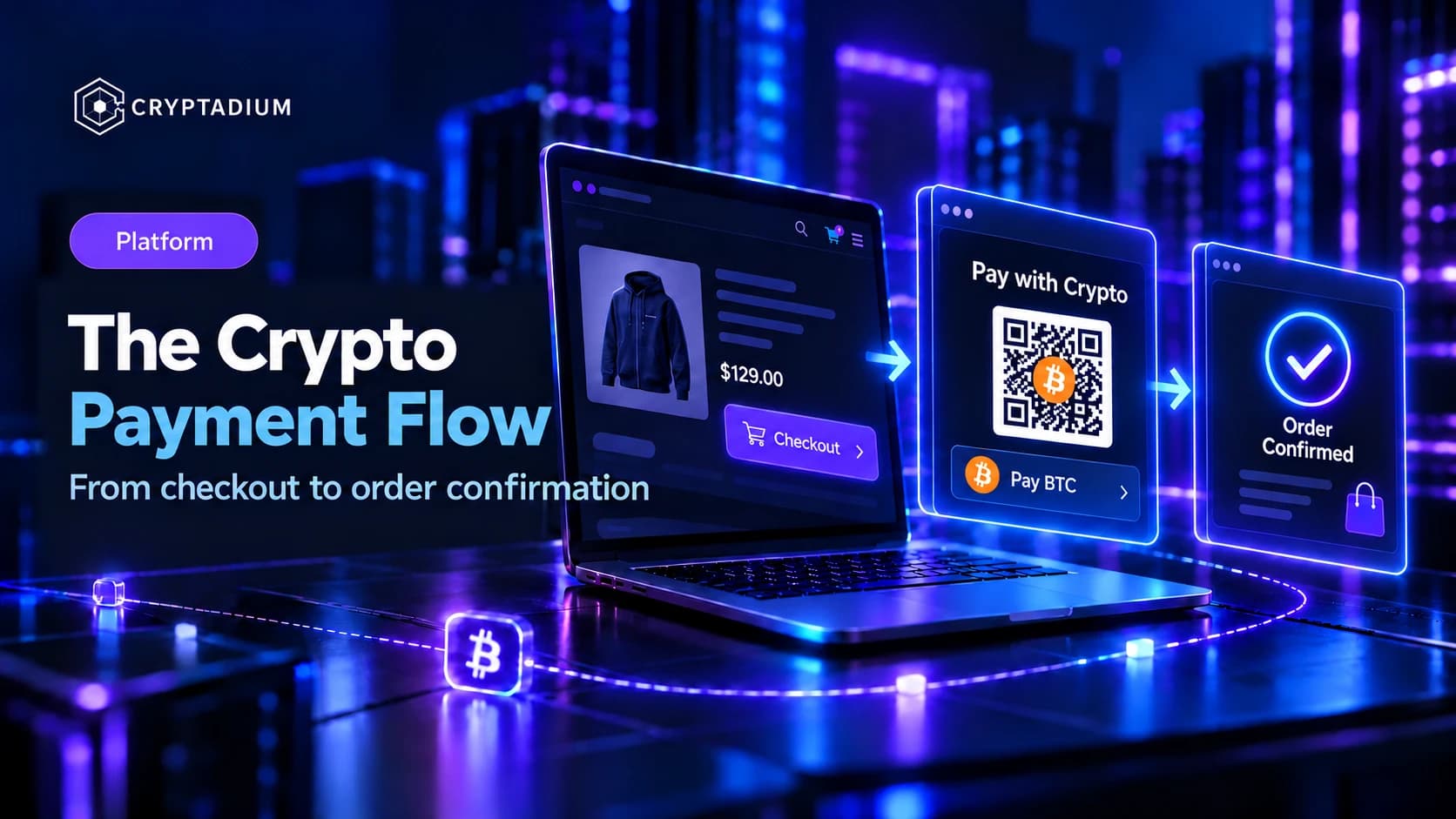
How a Crypto Payment Moves from Checkout to Order Confirmation
We break down how a crypto payment moves from checkout to order confirmation — what a TXID is, how blockchain confirmation works and when payment status updates the order.
Chargeback in Crypto: Can You Get Your Money Back or Dispute a Blockchain
Let's explore why a true chargeback is impossible in cryptocurrency, what risks remain for businesses, and how to protect yourself from losses.